SEP class rating revalidation: all the conditions, explained simply
How to revalidate your SEP class rating? The two routes (by experience or proficiency check), the 12 hours required, and what to do if it has expired.
Cameron GERARD
Professional pilot and head of flight operations
Key takeaways
- An SEP class rating is valid for 2 years. Revalidating it before expiry follows one of two routes.
- By experience, within the 12 months before expiry: 12 hours of flight time including 6 as PIC, 12 take-offs, 12 landings, and 1 hour of refresher training with an FI or CRI.
- Otherwise: a proficiency check with an examiner, within the 3 months before the expiry date.
- If the rating has expired, it is no longer a revalidation but a renewal: an assessment, refresher training if needed, then a proficiency check.
Every two years, the same deadline comes round: your SEP class rating is about to expire, and you need to revalidate it. There are two routes, a few figures to know, and one trap to avoid, that of leaving it too late. Here, clearly laid out, is everything you need to do to stay rated without stress. The conditions below are those of point FCL.740.A of the Aircrew Regulation.
Revalidation or renewal: the distinction that changes everything
Before the figures, a word on terminology, because it determines how heavy the procedure will be.
- Revalidation is the action taken during the validity of the rating, before its expiry. This is the simple route.
- Renewal happens after expiry. It is a heavier procedure, covered further down.
An SEP class rating is valid for 2 years, compared with 1 year for most other class or type ratings. The whole logic comes down to one sentence: revalidating in time saves you from renewal.
The experience route: the most common
You can revalidate your SEP by experience if, within the 12 months preceding the expiry date, you complete, in the relevant class:
- 12 hours of flight time in total,
- including 6 hours as PIC,
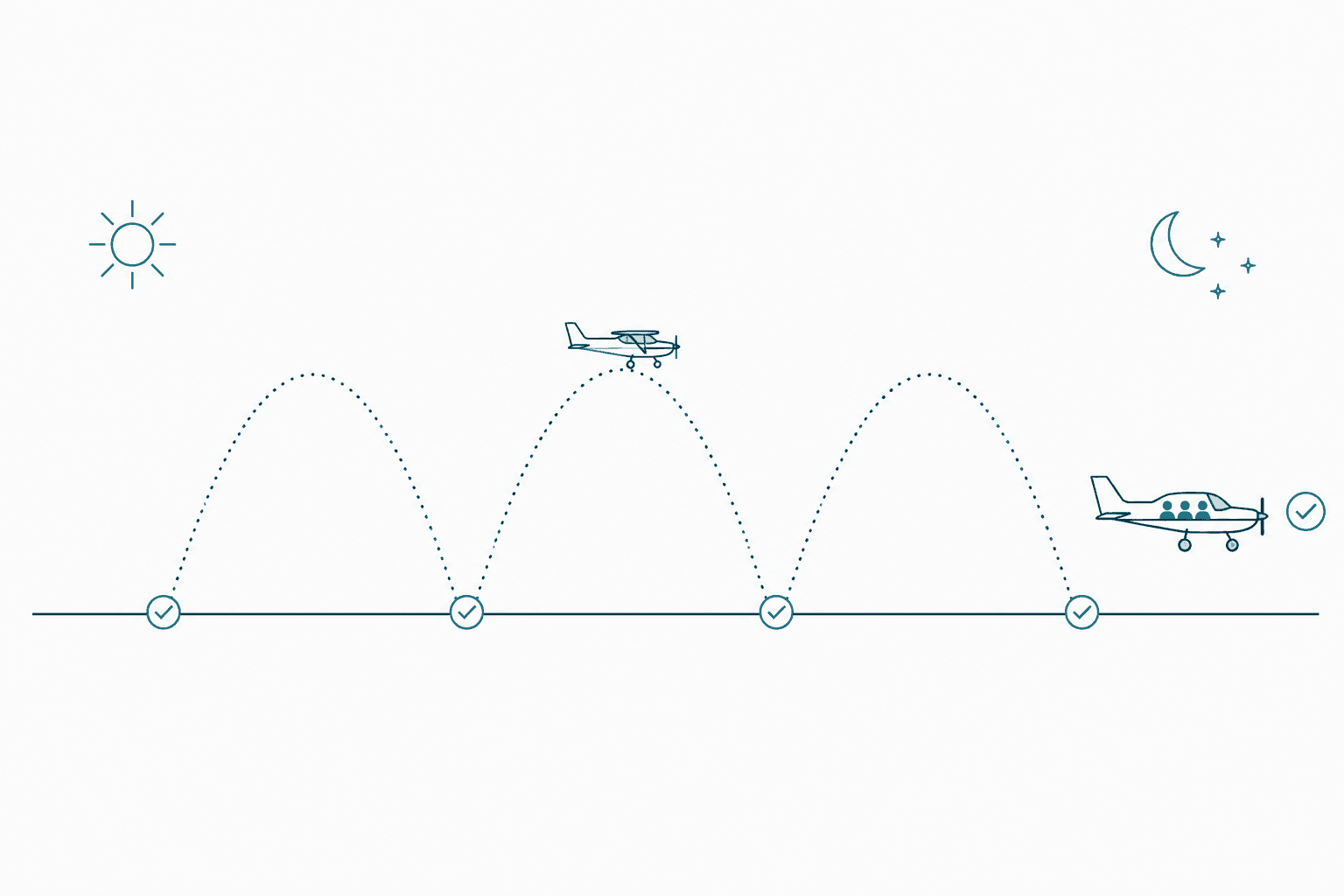
- 12 take-offs and 12 landings,
- and at least 1 hour of refresher training (in total flight time) with an FI or CRI, who selects the exercises to refresh your competence in normal, abnormal and emergency procedures.
This training typically covers handling an engine power loss and stall recovery. It is not a check, but a refresher flight completed to the satisfaction of the instructor.
Good to know: you are exempt from this hour of refresher training if, in any class or type of aeroplane, you have passed a class or type rating proficiency check, a skill test, an EBT practical assessment or an assessment of competence.
If you hold both an SEP class rating and a TMG class rating, you may complete these requirements in either class, or a combination of both, and revalidate both ratings at once.
The proficiency check route
If you have not met the experience conditions, the second route is a proficiency check with an examiner, within the 3 months preceding the expiry date. A single check flight is then enough to revalidate, with no experience condition.
A practical tip: take this check within the 3 months before expiry, not earlier. If you take it before that window, the new validity period runs from the date of the check, and you lose part of your validity.
If the rating has already expired: renewal
Once the expiry date has passed, you can no longer fly on that rating and revalidation is no longer possible: you move into renewal (FCL.740), in three steps.
- An assessment of your level, to determine whether refresher training is needed. Good news for SEP pilots: if your non-high-performance rating has been expired for no more than 3 years, this assessment may be carried out at an ATO, a DTO, or simply with an instructor.
- Refresher training if the assessment finds it necessary, with a duration adapted to your case.
- A proficiency check with an examiner.
This is heavier and more costly than a revalidation, which is exactly why it pays to plan ahead.
Plan ahead, stress-free
The real risk is not the difficulty of revalidation: it is forgetting the deadline, or discovering too late that you are short of PIC hours or landings.
Two habits are enough:
- Keep a running track of your counters: total hours, hours as PIC, take-offs and landings, and your expiry date.
- Remember, finally, that if you fail the proficiency check before the expiry date, you may no longer exercise the privileges of the rating until you have passed that check.
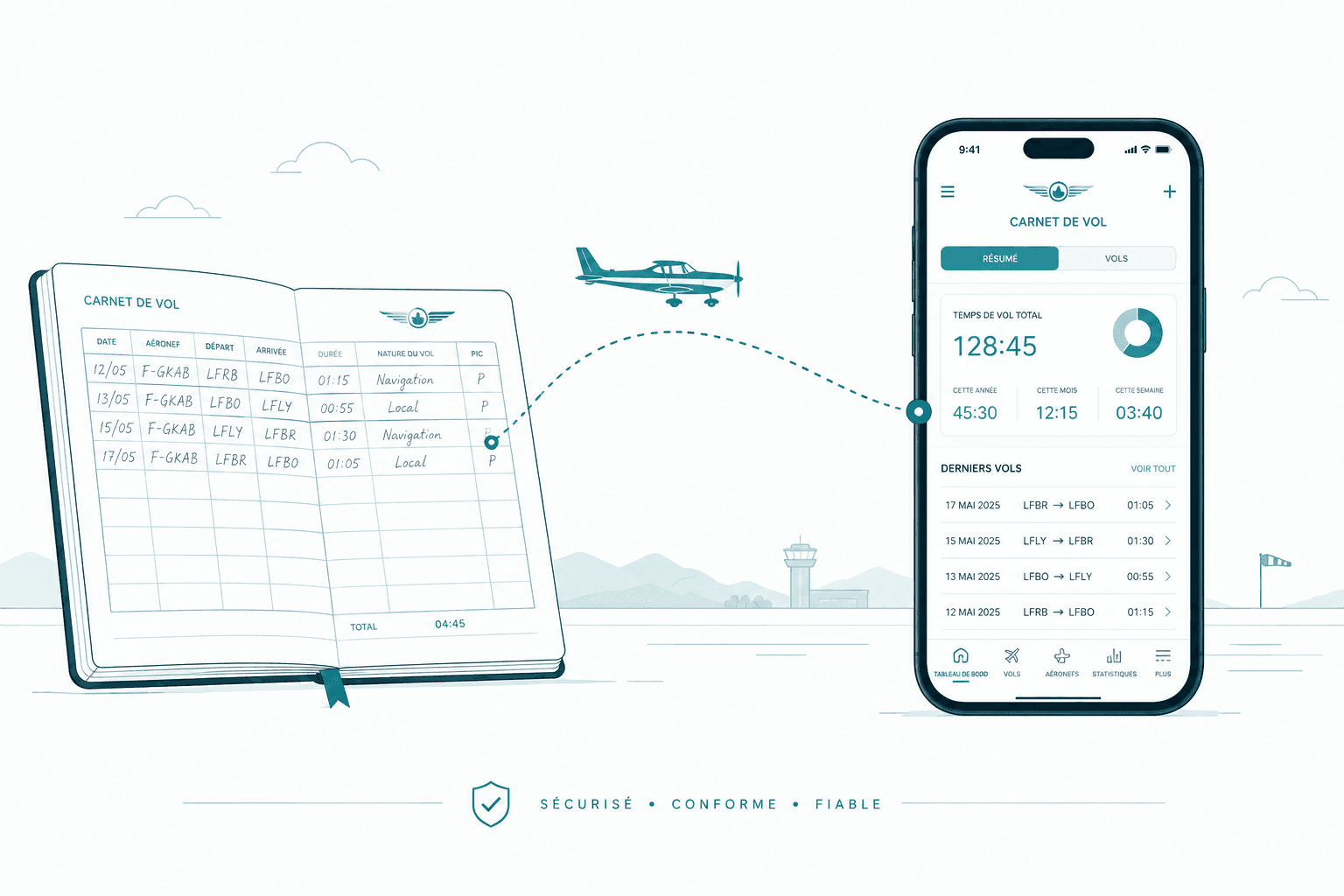
AerisLog tracks your validities and your experience, and alerts you before every deadline: you always know where you stand on your 12 hours and your expiry date. See how.
In short
Revalidating your SEP is nothing complicated when you do it in time. Two routes: experience (12 hours, including 6 as PIC, 12 take-offs and landings, 1 hour with an instructor, within 12 months) or a proficiency check (within the 3 months before expiry). The only real mistake would be to let the rating expire and fall into renewal. Plan ahead, track your counters, and the deadline becomes a formality.
Frequently asked questions
How long is an SEP class rating valid? Two years. This is an exception: most other class or type ratings are valid for one year.
What is the difference between revalidation and renewal? Revalidation is done before expiry, while the rating is still valid. Renewal happens after expiry and requires an assessment, possible refresher training, then a proficiency check.
Is the refresher flight with an instructor always mandatory? No. You are exempt if, in any class or type of aeroplane, you have passed a proficiency check, a skill test, an EBT practical assessment or an assessment of competence.
What if I have not completed my 12 hours? Take a proficiency check with an examiner within the 3 months before the expiry date: this route revalidates the rating with no experience condition.
Regulatory source: point FCL.740.A (revalidation) and FCL.740 (renewal), Part-FCL, Regulation (EU) No 1178/2011 (EASA Aircrew Regulation).
Ready to retire the paper logbook?
AerisLog logs your flights in 10 seconds, adds up your totals and keeps an eye on your deadlines. Free, on iOS and Android.